

If you’ve scrolled through TikTok lately, you’ve probably seen creators talking about something called “Ozempic face.” It’s one of those trends that blows up overnight. Half the people are curious, the other half are panicking, and a few are staring at old selfies just to “check something.”
Before anyone stresses themselves out, let’s take a moment to break down what this term actually means, why it happens, and what people should know if they’re using GLP-1 medications like Ozempic for weight loss.
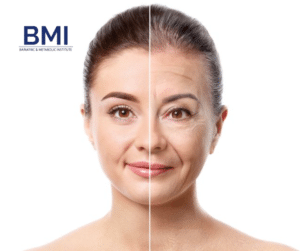
So what is “Ozempic face”?
“Ozempic face” is a social media term. It’s not an official medical condition. It describes a look some people notice after very fast weight loss. This includes:
- more defined cheekbones
- loose or sagging skin
- hollow cheeks
- a sharper or tired-looking jawline
It’s not the medication directly causing the change. It’s the speed of the weight loss. When fat volume drops quickly, especially in the face, the skin doesn’t always have time to keep up.
Think of it like wearing your favorite sweater after losing weight. It still fits, but it hangs differently.
Why does fast weight loss change the face first?
The face has fat pads that give it volume and make it look youthful. When those shrink too quickly, the structure changes. This can make lines look deeper and give the face a more tired appearance.
This can happen with any type of sudden weight loss. It only went viral because so many people are now using medications like Ozempic and posting their journeys online.
Is it harmful?
The change is mostly cosmetic. It’s not usually dangerous.
What can be a concern is losing weight too fast without proper nutrition or guidance from a doctor. That can lead to muscle loss, even in the face, which makes the hollow look more noticeable.
The important thing to remember is that this is not usually a medical emergency. It’s just something people might want to be aware of.
Can “Ozempic face” be prevented or improved?
Yes. And it doesn’t always require anything extreme.
1. Aim for steady progress
Adjusting the dose with a doctor helps avoid dramatic weight drops.
2. Keep protein and strength training in your routine
Muscle gives your face structure. It matters more than most people think.
3. Good skincare and hydration
Elastic skin responds better to change.
4. Dermatology treatments
Some people choose fillers or skin-tightening procedures for faster results.
Why this conversation matters
GLP-1 medications have helped so many people gain control over their weight and health. But with that comes new conversations about side effects, body image, and what to expect.
Talking about “Ozempic face” should not shame anyone. It should help people understand what’s normal, what’s manageable, and when to ask for guidance.
No surprises, no judgment, just information people can actually use.
The takeaway
“Ozempic face” is not a sign that something has gone wrong. It’s simply a cosmetic change that can happen when weight drops quickly. With the right support, it’s something people can manage and often improve.
Weight loss should feel empowering. At BMICAPE.com, we want to make sure people feel informed, confident, and supported every step of the way.
References:
Radiographic Midfacial Volume Changes in Patients on GLP‑1 Agonists — shows quantitative facial fat loss linked to GLP‑1 weight‑loss drugs. PubMed
Natural Weight Loss or “Ozempic Face”: Demystifying a Social Media Phenomenon — discusses how rapid weight loss from semaglutide can lead to hollowed facial appearance. PubMed
“Ozempic Face”: An Emerging Drug-Related Aesthetic Concern and Its Treatment with Endotissutal Bipolar Radiofrequency — looks at a treatment option (radiofrequency) for facial volume loss. PubMed