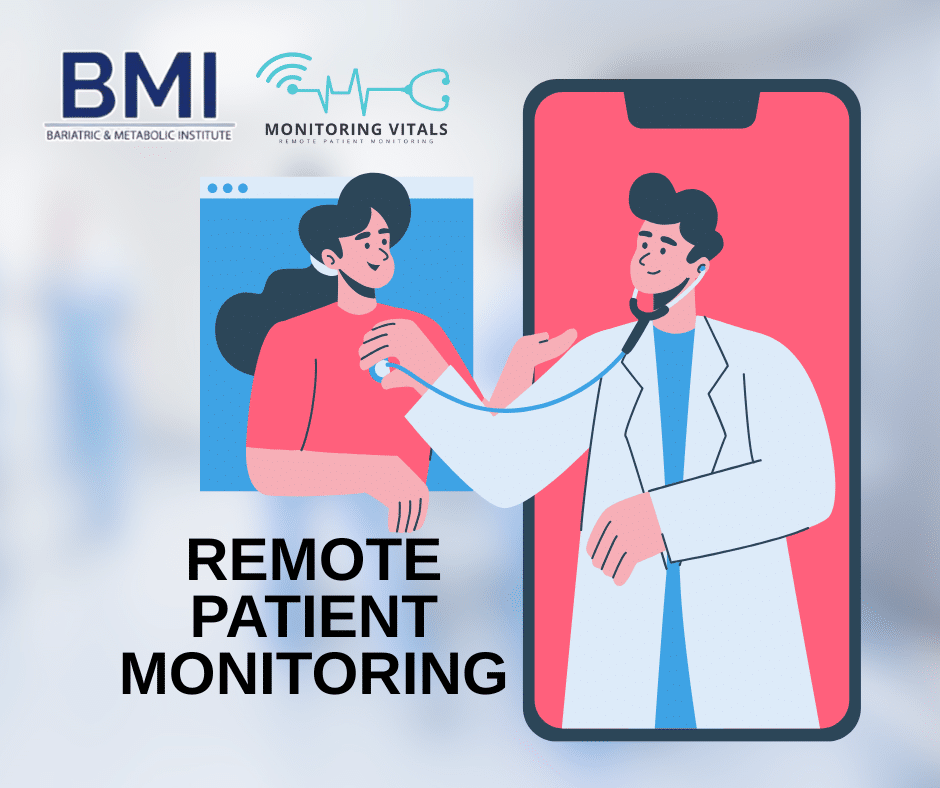
Healthcare is getting its glow-up, and Remote Patient Monitoring (RPM) is one of the biggest upgrades. Instead of waiting weeks between checkups, your care team can now see what’s going on with your health… literally every day. It is convenient, it is empowering, and honestly, it is the kind of support system most patients didn’t realize they needed.
Here is a simple, clear walk-through of how RPM works from your home device all the way to your doctor’s dashboard.
Step 1: You Track Your Vitals at Home
RPM starts with easy-to-use devices you keep at home. Depending on your condition, this might include:
- A digital blood pressure monitor
- A glucose meter
- A pulse oximeter
- A weight scale
- A wearable device that captures multiple vital signs
All you do is take your reading — just like you normally would — and the device handles the rest.
No complicated setup. No medical degree required.
Step 2: Your Device Sends the Data Automatically
Here is where RPM becomes a game changer.
The moment you check your vitals, your device sends the data to a secure digital platform.
You do not have to upload anything manually, email readings, or keep a journal unless you want to.
Everything is sent automatically through:
- Bluetooth
- Wi-Fi
- Mobile networks
Think of it as your vitals going straight to your doctor’s inbox, but securely and in real time.
Step 3: Your Care Team Reviews Your Daily Readings
Once your data reaches the system, your provider can see your:
- Daily trends
- Sudden spikes
- Unusual changes
- Patterns over time
Instead of guessing what happened between appointments, your doctor gets a continuous timeline of your health.
This means smarter decisions, quicker adjustments, and fewer surprises.
Step 4: Alerts Trigger When Something Looks Off
Here’s the high-tech part.
RPM platforms are designed to spot unusual readings. So if your:
- Blood pressure suddenly spikes
- Oxygen level drops
- Glucose number looks out of range
…the system sends an alert to your care team.
This allows your doctor or nurse to reach out immediately, sometimes even before you realize something is wrong.
This early-response feature is one of the biggest reasons RPM is making such a huge impact for people with chronic conditions.
Step 5: Your Provider Contacts You With Next Steps
If your care team receives an alert, they will:
- Call or message you
- Ask about symptoms
- Adjust your medication if needed
- Recommend urgent care if anything looks risky
- Give instructions to keep you safe
Instead of waiting for things to worsen, RPM lets your doctor step in early — and that can prevent complications, ER visits, and extra stress.
Step 6: You Build a Clearer, More Confident Understanding of Your Health
Over time, patients start to:
- Notice trends
- Understand their numbers
- Recognize what “normal” looks like
- Spot triggers or lifestyle patterns
- Feel more in control of their health journey
RPM is not just about monitoring — it is about empowerment.
You learn more about your body, and your provider gets the full picture they need to guide you.
Why Remote Patient Monitoring Matters
RPM is especially helpful for:
- Hypertension
- Diabetes
- Heart disease
- Lung conditions
- Mobility limitations
- Post-surgery recovery
- Older adults
- Anyone who wants proactive care, not reactive care
It takes the guesswork out of managing your health and turns your daily numbers into real medical support.
Monitoring Vitals: Making RPM Simple and Supportive
Monitoring Vitals delivers RPM in a way that fits your daily routine. With this program, you get:
- Real-time tracking of essential vital signs
- Automatic data sharing with your care team
- Early alerts when something needs attention
- Clear, easy-to-read results
- Consistent support even when you are at home
It is healthcare that adapts to you, not the other way around.